
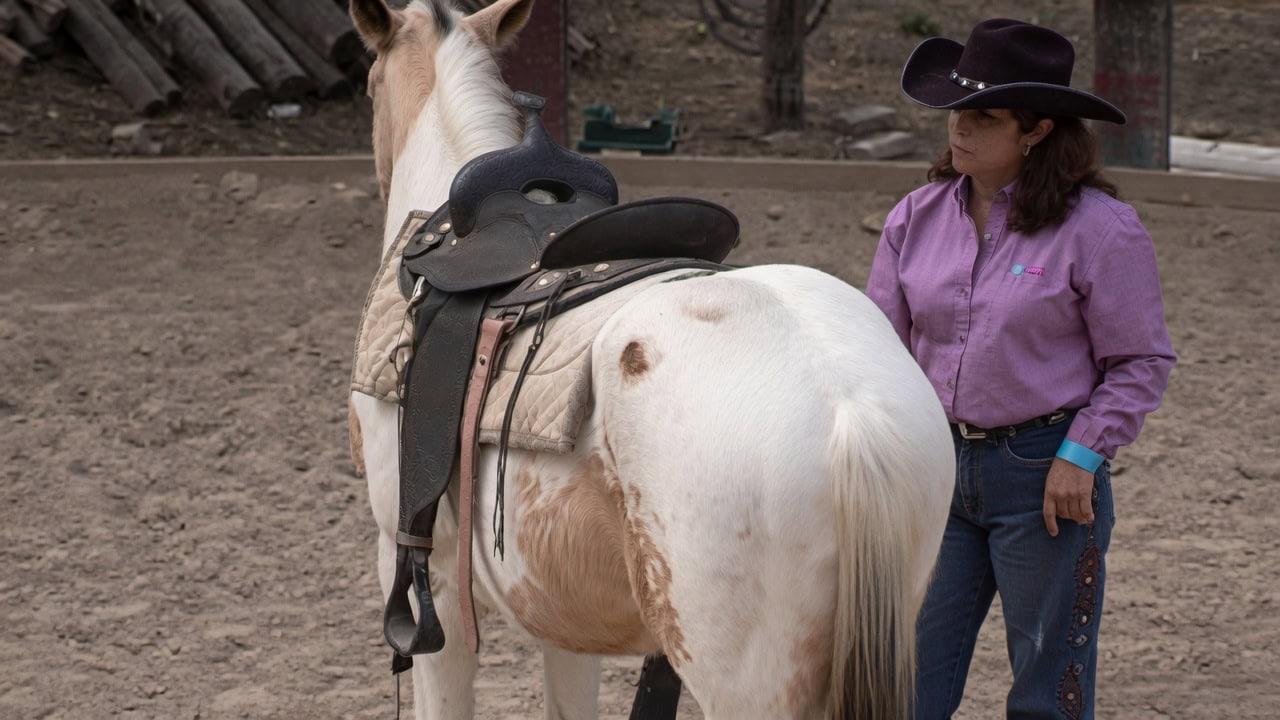
Horse training is the most rewarding — and most misunderstood — skill in all of horsemanship. In fifty years of training horses across nine disciplines, earning more than 300 championship titles, and developing methods used by riders around the world, I have learned one thing above all else: most horse training problems are human problems. The horse is almost never the issue.
My name is Al Ragusin. I have trained cutting horses, reining horses, dressage horses, charro horses, and my world-famous Dancing Horses — the only horses on earth that dance in genuine rhythm to music. I have appeared on CBS, PBS, RFD-TV, FOX, and performed at the Rose Bowl. This guide on horse training covers everything I know about doing it right — from the psychology of horses to the specific tools and techniques that produce lasting results.
Whether you are starting a young horse from scratch, solving a behavioral problem, or trying to achieve collection for the first time, this horse training guide gives you a practical, honest roadmap built on real experience — not theory.
In This Horse Training Guide
- The Psychology Behind Effective Horse Training
- The 9 Proven Horse Training Methods
- Groundwork: The Non-Negotiable Foundation
- Positive vs. Negative Reinforcement in Horse Training
- Collection: The Most Valuable Horse Training Skill
- Solving the Most Common Horse Training Problems
- How Long Does Horse Training Take?
- Horse Training Tools and Equipment
- Frequently Asked Questions
The Psychology Behind Effective Horse Training
All horse training begins with understanding how horses think — not how we wish they would think, but how they actually function as animals.
Horses are prey animals. Their survival instinct is always close to the surface. A horse that spooks at a plastic bag is not being difficult — it is being a horse. A horse that pushes into you when frightened is not being aggressive — it is seeking safety in closeness. Understanding this distinction changes everything about how you approach horse training.
Three principles govern how horses learn:
1. Horses Learn Through Pressure and Release
The release of pressure — not the application of it — is the reward in horse training. The moment a horse responds correctly, pressure comes off. That instant release is the conversation. Trainers who hold pressure too long after the right response teach confusion. Trainers who release too early teach the wrong behavior. Timing is everything.
2. Horses Live in the Present Moment
Horses do not hold grudges. They do not plan ahead. They do not understand punishment delivered more than a few seconds after an event. Every horse training session is a fresh conversation. What happened yesterday is irrelevant to your horse — only what happens in this moment matters.
3. Horses Are Mirrors of Emotion
Your horse feels your emotional state before you are consciously aware of it yourself. Tense trainer, tense horse. Frustrated trainer, resistant horse. Calm, clear, consistent trainer — calm, willing horse. This is not mysticism. Horses evolved reading subtle body language cues in herd dynamics for millions of years. You cannot fool them. These three principles are why no amount of clever gadgetry substitutes for understanding equine psychology — the real foundation of good horsemanship.
The 9 Proven Horse Training Methods
Over five decades of horse training, I have worked with and evaluated every major training methodology. Here are the nine that actually produce results — and what makes each one work:
Method 1: Natural Horsemanship
Natural horsemanship uses the horse’s own herd language — body position, energy, and pressure — to communicate. It is the foundation of most modern horse training approaches. When applied correctly, it is powerful. When applied by someone who has studied the theory but not the practice, it produces confused horses.
Method 2: Classical Dressage
The oldest formal horse training system in the world. Classical dressage develops a horse’s natural balance and collection through a progressive system of exercises. It takes years to execute properly and produces extraordinarily supple, responsive horses. Every discipline benefits from its principles, even if you never enter a dressage arena.
Method 3: Pressure and Release (Negative Reinforcement)
The workhorse of practical equine training. You apply light pressure — with your leg, a rein, a lead rope — and the instant the horse moves in the direction you want, you release. The horse learns that its own correct response removes pressure. This is how horses already communicate with each other, which is why it is so effective.
Method 4: Positive Reinforcement (R+)
Using food rewards or scratches to mark and reinforce desired behaviors. Clicker training is the most structured form of positive reinforcement in horse training. Highly effective for teaching specific behaviors, desensitization, and building confidence in anxious horses. Works best when the trainer has clearly defined what earns the reward. Works best when combined with clear criteria for what earns the reward.
Method 5: Desensitization and Counter-Conditioning
Systematic horse training for fear responses. You expose the horse to a frightening stimulus at a level it can tolerate without panicking, then gradually increase intensity as the horse learns that the scary thing predicts nothing bad. This is not flooding — forcing a horse through terror — which creates more fear, not less. The science of systematic desensitization is well-established in equine behavior research.
Method 6: Operant Conditioning
The behavioral science framework underlying most horse training. Horses learn that their own behavior produces consequences — good or neutral. Shape behavior by rewarding small steps toward the final goal, building the complete behavior one piece at a time. Professional trainers use this whether they know the academic term or not.
Method 7: Liberty Training
Horse training with no halter, no lead rope, no tack. The horse cooperates because it chooses to, not because it is restrained. Liberty training reveals exactly how well your communication and relationship are working — you cannot fake it. It is also the most powerful demonstration of genuine partnership between horse and human.
Method 8: Lunging and Long-Lining
Essential horse training tools for developing balance, rhythm, forward movement, and response to voice commands — all before a rider adds the complication of weight on the horse’s back. Lunging is often misused as exercise rather than communication. Done correctly, it is one of the most productive horse training exercises available.
Method 9: The Ragusin Double Rein Method
My own contribution to horsemanship — developed over decades and refined through thousands of training sessions. The Ragusin Collection Reins use a proprietary bungee mechanism in a premium Latigo leather double rein system to guide horses into collection naturally, without force. Most horses achieve collection within the first 45 minutes of use. I back every set with a personal 24-hour money-back guarantee.
Groundwork: The Non-Negotiable Foundation of All Horse Training
I will say this plainly: there is no good riding without good groundwork. Every horse training problem I have ever been called to solve — a horse that rears, bucks, refuses, bolts, or bites — has its roots in inadequate groundwork. Without exception.
Groundwork is horse training from the ground — before you ever put a foot in a stirrup. It teaches your horse to:
- Respect your personal space and yield to pressure
- Move forward, backward, left, and right from ground cues
- Accept handling of every part of its body
- Focus on you rather than environmental distractions
- Trust you as a calm, consistent leader
- Stand quietly for tacking, grooming, and veterinary care
A horse that has mastered these fundamentals is a pleasure to be around, easy to ride, and dramatically safer for both horse and human. A horse that has skipped groundwork is unpredictable — not because it is mean, but because nobody has yet taught it the basic vocabulary of horse training.
The Essential Groundwork Exercises in Sequence
Begin with halter acceptance and leading — the horse walks beside you, stops when you stop, and moves when you move. Then progress to yielding the hindquarters (moving the back end away from pressure) and yielding the forequarters (moving the front end over). Add backing from pressure, then standing tied, then lunging. Each skill builds on the previous one. Skip a step and you will come back to it later — usually under more difficult circumstances.
For horse training on the lunge, the goal is not exercise — it is communication. Your horse should respond to your body position and energy, changing gait and direction from your posture alone before you ever add voice commands. That level of responsiveness to subtle cues translates directly to extraordinary responsiveness under saddle. The free training videos on this site show exactly how I approach groundwork with horses at every stage.
Positive vs. Negative Reinforcement in Horse Training
This is one of the most confusing topics in modern horse training — because the terms sound like opposites when they actually refer to something more precise.
Positive reinforcement means adding something the horse wants (a food reward, a scratch, rest) immediately after a correct response. The horse learns: “when I do that, something good appears.”
Negative reinforcement means removing something the horse wants to avoid (pressure, discomfort) immediately after a correct response. The horse learns: “when I do that, the pressure goes away.” This is the primary language of traditional horse training and the method horses use with each other.
Both work. Both belong in effective horse training. The question is not which one to use — it is when each is appropriate.
Negative reinforcement through pressure and release is faster for teaching movement-based skills: forward, stop, turn, back, collect. Positive reinforcement is more effective for building confidence in fearful horses, teaching stationary behaviors, and creating genuine enthusiasm for working. The best horse training uses both intelligently.
What does not work — and what the research from organizations like the American Association of Equine Practitioners consistently confirms — is positive punishment: hitting, yelling, or harsh physical correction. Positive punishment creates fear, breaks trust, and produces horses that shut down rather than engage. It is the reason so many horses become “difficult” — they were not difficult to begin with. They became difficult in response to training they experienced as threatening.
Collection: The Most Valuable Skill in Horse Training
Ask any experienced equestrian what separates a trained horse from an untrained one, and most will come back to the same word: collection.
Collection in horse training refers to a specific way of moving in which the horse:
- Shifts weight from the forehand to the hindquarters
- Lifts through the back and engages the core
- Brings the face toward the vertical
- Moves with balance, lightness, and self-carriage
A collected horse is a pleasure to ride — smooth, balanced, responsive, and safe. An uncollected horse moves on the forehand: heavy on the bit, difficult to balance, harder to turn and stop, and uncomfortable for both horse and rider. That jolting, jarring trot that causes new riders to grip with their knees and bounce off the saddle? Uncollected movement.
Traditional methods achieve collection over months or years of careful riding by someone with an educated seat and independent hands. Most horse owners — including many experienced ones — never achieve it, because the conventional path requires skills that take years to develop.
My horse training method changes that equation. The Ragusin Collection Reins use a proprietary bungee mechanism within a premium Latigo leather double rein system to communicate directly with the horse, guiding it into collection through gentle, consistent pressure and release — without requiring the rider to have an advanced seat. Most horses respond within the first 45 minutes. The rein teaches the horse; you learn together.
You can see this process in action — with real horses, real riders, and real before-and-after results — in the free training video library on this site.
Solving the Most Common Horse Training Problems
In fifty years of professional horse training, I have encountered every behavioral problem imaginable. Here are the most common ones — and the real cause behind each:
Head-Tossing and Rein Resistance
Almost always caused by bit discomfort, an unbalanced rider with unsteady hands, or a horse moving on the forehand with nowhere to put its head. Proper horse training addresses the root cause — bit fit, rider position, collection — rather than adding a tie-down to hide the symptom.
Bucking
Bucking during horse training almost always signals one of three things: pain (saddle fit, back problems, girth sensitivity), excess energy from insufficient work, or a response to being asked to do something the horse does not understand. Rule out pain first. Always.
Spooking
A horse that spooks at everything is a horse that has not been adequately desensitized and does not fully trust its rider as a calm leader. The solution is systematic desensitization combined with horse training that builds the horse’s confidence in its own ability to cope with novel stimuli.
Rearing
Rearing is the most dangerous problem behavior in horse training and should not be addressed without experienced help. It is usually caused by pain, confusion, or being trapped between conflicting aids. Do not attempt to train through rearing without professional guidance.
Pulling and Heavy on the Bit
A horse that pulls is a horse moving on the forehand — and the solution is collection, not stronger bits. More leverage simply creates more resistance. Horse training that achieves genuine collection eliminates heaviness on the bit entirely because the horse is no longer leaning on its forehand.
Refusal to Load in a Trailer
A training problem rooted in desensitization and trust. The horse is not being stubborn — it is frightened of a small, dark, moving box. Systematic desensitization, starting with walking near the trailer, then touching it, then eating near it, then loading for a short period with the door open — this process works. Force does not.
How Long Does Horse Training Take?
This is the question every new horse owner asks — and the honest answer is: it depends, and anyone who gives you a specific number without knowing your horse is guessing.
Here are realistic horse training timelines based on my experience:
- Basic halter and leading: 1–5 days for a young horse with no prior handling
- Solid groundwork foundation: 30–60 days of consistent daily work
- First rides: 60–90 days from initial groundwork on an unstarted horse
- Safe, reliable trail or arena riding: 6–12 months of consistent horse training
- Collection: Months to years by conventional methods — or as little as 45 minutes with the right tools
- Advanced performance skills: 2–5 years minimum
The biggest variable in any training timeline is not the horse — it is the human. Consistent daily sessions of 20–30 minutes produce far better results than sporadic long sessions once a week. Horses consolidate learning during rest, and they thrive on routine. Show up every day, keep sessions focused and short, end on a positive note, and your horse will progress faster than you expect. Patience and consistency matter more than any single technique.
Horse Training Tools and Equipment
Good horse training requires the right tools — not the most tools, and not the most severe tools. Here is what I use and recommend:
Halter and Lead Rope
A well-fitting rope or nylon halter and a 12-foot lead rope are the foundation of all groundwork. The halter should allow a two-finger gap at the cheekbone. Too loose and it slides; too tight and it creates constant pressure that desensitizes the horse to rein communication.
Lunge Line and Lunge Whip
A 25–30 foot lunge line for controlled work at distance. The lunge whip is an extension of your body for directing energy — it should rarely if ever touch the horse. It points, it taps the ground, it adjusts the horse’s pace. A lunge whip used as a punishment instrument is a lunge whip being misused.
Saddle
Saddle fit matters more than any other piece of equipment in horse training. A poorly fitted saddle causes pain that manifests as every behavior problem under the sun: bucking, resistance, hollow back, pinned ears. Before you blame your horse, check your saddle. I recommend the Australian saddle for most recreational riders — deeper seat, better security, lighter weight than most western saddles.
Bit and Bridle
Start simple: a D-ring snaffle for English riders, a smooth-shanked curb for western. Harsh bits are not horse training tools — they are shortcuts that create mouth problems and resistant horses. Your hands determine how the bit feels, not the other way around.
The Ragusin Collection Reins
My purpose-built horse training tool for achieving collection. Premium tan Latigo leather, industrial-grade bungee mechanism, and a full hardware package including cavesson, rings, and rollers. Backed by a 24-hour money-back guarantee — if your horse is not noticeably more collected within the first 24 hours of riding, return them for a full refund.

Written by Al Ragusin
Master Horseman · McAllen, Texas
Al Ragusin brings 50+ years of professional horsemanship experience across nine disciplines — cutting, reining, dressage, charro, and rejoneador. He holds 300+ championship titles, has appeared on CBS, PBS, RFD-TV, and FOX, and is the inventor of the Ragusin Collection Reins. He is the world’s only trainer of true Dancing Horses. His book Confident Horseback Riding is available in the shop.
Experience the Fastest Horse Training Result of Your Life
The Ragusin Collection Reins are the only tool backed by a personal 24-hour guarantee. If your horse is not measurably more collected after the first day of riding, return them for a full refund.
Order the Collection Reins — Risk Free24-hour money-back guarantee · Free ebook · Free instructional video
Frequently Asked Questions About Horse Training
What is horse training?
Horse training is the systematic process of teaching a horse to respond to human cues — on the ground and under saddle — in a safe, predictable, and cooperative way. Effective horse training uses an understanding of equine psychology, consistent communication, and correctly timed reinforcement to develop trust, responsiveness, and specific skills in the horse.
How long does it take to train a horse?
Basic foundational work — halter, leading, and groundwork — can take 30–60 days of daily work. A horse safe for basic riding typically requires 90–120 days. Advanced skills like collection, lateral work, and discipline-specific movements take 1–5 years depending on the horse and the consistency of training.
What is the most effective horse training method?
The most effective approach uses a combination of negative reinforcement (pressure and release) for movement-based cues and positive reinforcement (food or rest rewards) for building confidence and shaping specific behaviors. The foundation of all effective horse training is a thorough groundwork program before any work under saddle begins.
Can I do my own horse training at home?
Yes. Many horse owners successfully train their own horses at home using quality educational resources, consistent daily practice, and a willingness to move at the horse’s pace. This works best when you have a solid understanding of equine psychology, start with thorough groundwork, and are honest with yourself about when a problem exceeds your current skill level.
What is collection in horse training?
Collection in horse training refers to a way of moving in which the horse shifts its weight to the hindquarters, engages the back, and brings its face toward the vertical. A collected horse is balanced, lighter in the hand, more responsive to aids, and significantly more comfortable to ride. Collection is considered the highest goal of all classical horse training.
What age should you start horse training?
Handling and desensitization can begin from birth. Formal groundwork can start at 1–2 years. Horse training under saddle should generally wait until the horse is 2.5–3 years old at the earliest, and many performance horse trainers prefer to wait until 3–4 years to protect the horse’s developing joints and growth plates.
How much does professional horse training cost?
Professional horse training typically costs $500–$1,500 per month for full training board, or $75–$200 per session for periodic lessons. Training-only (no board) runs $400–$800 per month. The total cost for taking a horse from unstarted to reliably rideable usually runs $3,000–$8,000 or more. Training your own horse at home with good resources and the right tools is significantly more affordable.