
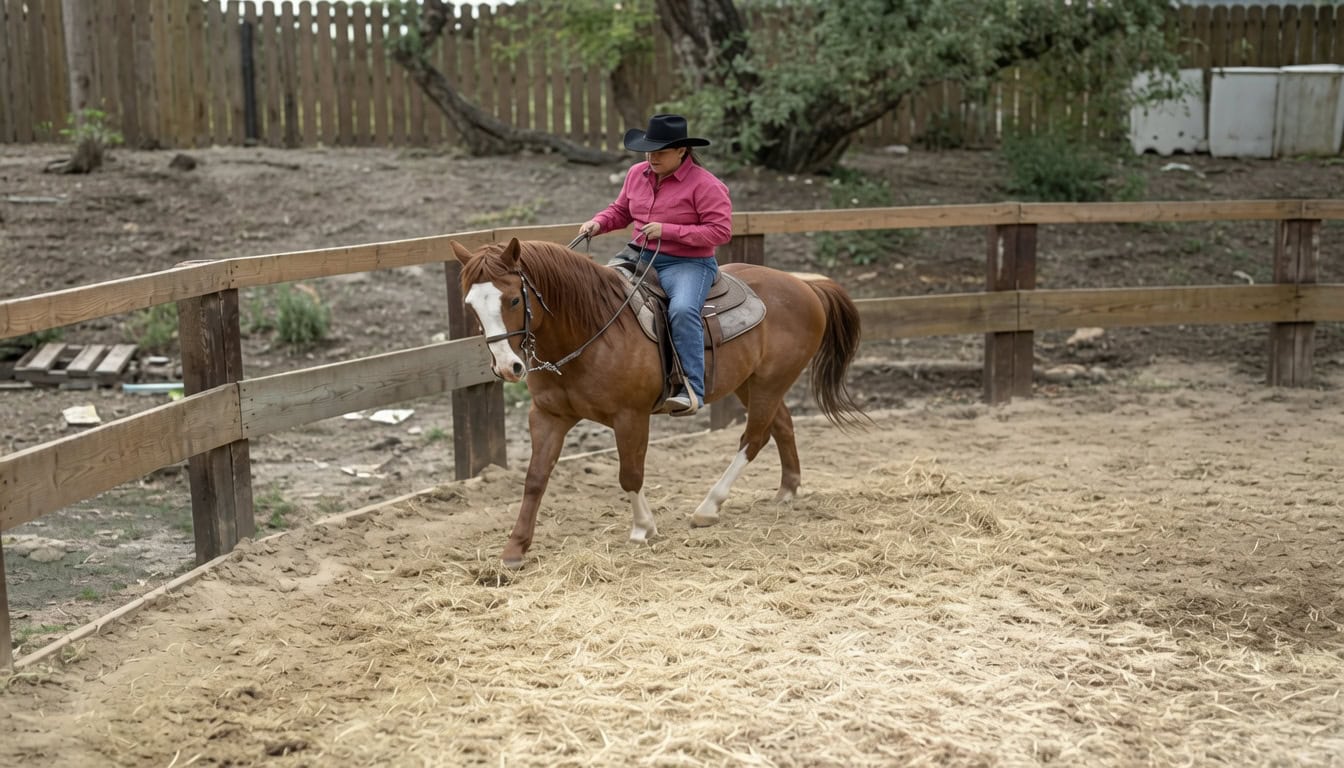
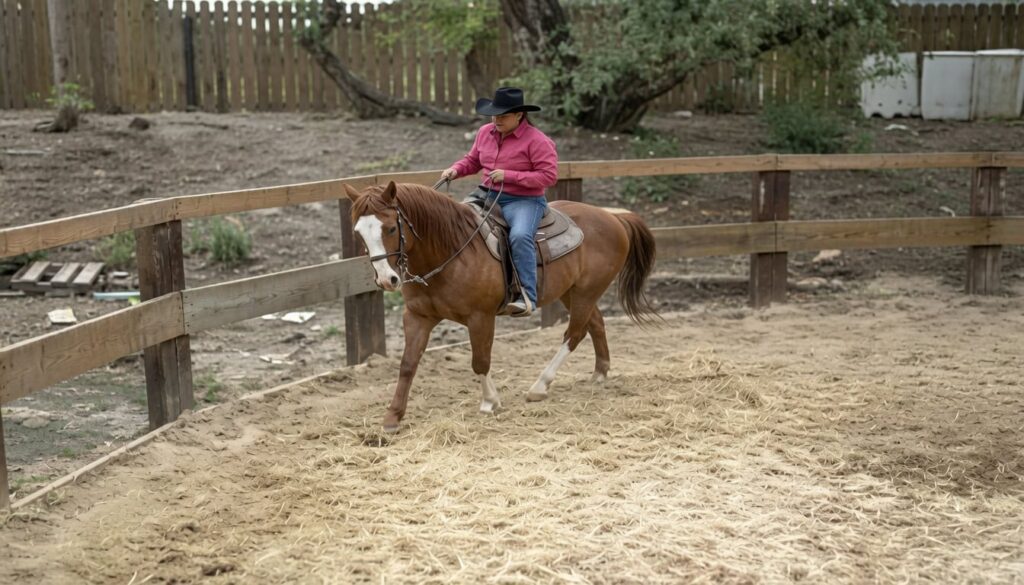
Horse riding is one of the most rewarding skills a person can develop — and one of the most misunderstood. In fifty years of professional horse riding and training, I have seen thousands of riders struggle with the same problems: a horse that bounces them around, ignores their cues, or feels dangerously out of control. In almost every case, the solution was not more lessons. It was the right foundation.
My name is Al Ragusin. I have ridden horses across nine disciplines, earned more than 300 championship titles, performed at the Rose Bowl, and developed the world-famous Dancing Horses — the only horses on earth that dance in genuine rhythm to music. I have appeared on CBS, PBS, RFD-TV, and FOX, and I have spent five decades solving exactly the kinds of horse riding problems that make riders give up.
This horse riding guide covers everything you need to become a confident, effective rider — from your very first time in the saddle to the advanced skill that transforms every ride: collection. I also share the specific tools and resources available in my shop that make the journey faster, safer, and far more enjoyable than the conventional route.
[toc]What Is Horse Riding — and Why It Changes Everything
Horse riding is the practice of sitting on a horse’s back and directing its movement through a combination of seat, leg, and rein aids. But anyone who has experienced genuine horse riding knows it is far more than that.
Horse riding is a conversation. The horse feels your weight shift before you move your hand. It reads your breathing, your tension, your confidence. A rider who understands this does not fight the horse — they communicate with it. A rider who does not understand it spends years pulling on reins that do not work and sitting on a horse that feels like a car with no steering.
The benefits of horse riding extend well beyond the arena:
- Physical fitness — horse riding engages the core, inner thighs, back, and postural muscles. A one-hour ride at mixed gaits burns 250–400 calories and builds proprioception (body awareness) faster than most gym exercises
- Mental wellbeing — the focus required for riding is meditative. You cannot ruminate on work emails when 1,200 pounds of horse is communicating through your seat bones
- Emotional resilience — horses are honest. They reflect your emotional state in real time. Learning to manage your energy in the saddle develops emotional regulation that carries into every area of life
- Partnership and trust — there is nothing quite like the feeling of a horse that moves with you willingly, balanced, and responsive. Riding at that level is not just a sport. It is a relationship
The 4 Fundamentals of Horse Riding Every Rider Must Master
Whether you ride Western, English, or Australian, whether you trail ride or compete, these four fundamentals are universal to all horse riding. Master them and everything else becomes easier.
1. Position and Posture
The foundation of all equestrian work is a balanced, independent seat. Your ear, shoulder, hip, and heel should align vertically when viewed from the side. This is not aesthetic — it is functional. When your body is aligned, your weight distributes evenly across the saddle, your horse can move freely underneath you, and your aids (leg, rein, and seat) can be applied independently without one affecting the other.
The most common horse riding position fault is the “chair seat” — legs too far forward, behind too far back, leaning slightly behind the vertical. This puts a rider behind the horse’s movement, makes the seat heavy and unresponsive, and forces the horse onto its forehand. The fix is not gripping with the knee. It is developing core strength and hip flexibility so the pelvis can follow the horse’s rhythm without effort.
2. Soft, Following Hands
Your hands in horse riding should maintain a soft, elastic contact with the bit — enough to feel the horse’s mouth, never enough to restrict it. Stiff, pulling hands create a stiff, resistant horse. The rein is a telephone line, not a tow rope. Information flows through it in both directions. Learn to follow the horse’s mouth with supple wrists and your horse riding will transform within weeks.
3. Independent, Effective Leg
The leg in horse riding is your primary driving aid. It creates forward energy, controls the hindquarters, and maintains rhythm and bend. A gripping, tense leg produces a dull, desensitized horse. A relaxed leg with a clear, defined squeeze-and-release produces a responsive, energetic one. Wrap your leg around the horse’s barrel — don’t clamp it.
4. Rhythm and Relaxation
Horse riding is a moving partnership. The horse’s back swings with every stride and the rider must follow that swing — not block it. Tension in the rider’s body creates tension in the horse’s back, which reduces the quality of movement, the effectiveness of aids, and rider safety. Breathe. Relax your hips. Let the horse move you rather than bracing against it.
Struggling with position or a heavy-on-the-forehand horse?
The Ragusin Collection Reins solve both problems in the first ride. Most horse riding sessions with the reins produce visible collection within 45 minutes.
The Gaits of Horse Riding: Walk, Trot, Canter, and Gallop
Every horse riding journey progresses through the gaits. Understanding what each gait feels like — and what your body needs to do — is the fastest way to stop bouncing and start riding.
The Walk
The walk is a four-beat gait — the horse moves each leg independently in sequence. For the beginner, the walk is where everything is learned: position, rein contact, leg aid timing, and following the horse’s movement with the hips. Do not rush past it. Riders who master the walk develop feel that makes the trot and canter dramatically easier.
The Trot
The trot is a two-beat diagonal gait — the horse’s legs move in diagonal pairs. It is the bounciest gait and the most challenging gait for new riders. There are two options for riding the trot:
- Posting trot (rising trot) — the rider rises out of the saddle in rhythm with the horse’s outside shoulder, reducing impact and making the trot far more comfortable for both horse and rider
- Sitting trot — the rider stays in the saddle and absorbs the movement through a supple back and hip. Requires more developed core strength and hip flexibility
An uncollected horse makes the trot jarring and difficult to sit. A collected horse makes the sitting trot smooth and rhythmic. This is one of the most immediate benefits of collection — and something the Ragusin Collection Reins deliver reliably in the first session.
The Canter (Lope)
The canter is a three-beat gait with a moment of suspension. In Western horse riding it is called the lope and tends to be slower and more relaxed. In English horse riding the canter is more forward and can be collected for dressage or extended for cross-country work. The canter has a rocking horse rhythm that most riders fall in love with once they stop bracing against it and start following the movement.
The Gallop
The gallop is the fastest horse gait — a four-beat sequence with full suspension, reaching speeds of 25–30 mph for most horses. It is not a gait for early horse riding development. Build your seat and your horse’s training first. A horse that gallops in balance, collected and forward, is an extraordinary feeling — but it requires years of correct horse riding foundation to arrive there safely.
Western vs. English Horse Riding: Which Style Is Right for You?
One of the first questions every new rider faces in horse riding is which style to pursue. The honest answer is that both are valid, and the best choice depends on what you want to do with your horse.
English Horse Riding
English riding developed from European military and hunting traditions. It emphasizes close contact between rider and horse, two-handed rein control, an independent seat, and athletic performance. English disciplines include dressage, show jumping, eventing, hunters, and equitation. The English saddle is lighter and flatter, allowing subtle communication through the leg and seat.
Western Horse Riding
Western riding developed from the working practices of Spanish vaqueros and North American ranch cowboys. It emphasizes rider security over long hours, loose-rein communication, and one-handed control (so the other hand is free for roping, gates, or ranch work). Western disciplines include reining, cutting, barrel racing, Western pleasure, trail, and ranch work. The saddle is heavier with a deeper seat and saddle horn, designed for security and comfort on long days.
The Australian Saddle — My Recommendation for Most Riders
After fifty years across nine disciplines, I recommend the Australian saddle for the majority of recreational and trail riders. It combines the security of the Western saddle with the lighter weight and closer contact of English riding. The knee pads provide security without restricting movement. The deeper seat gives riders confidence that directly improves their horse riding from the first time they use it.
10-Step Horse Riding Guide: From First Ride to Confident Rider
This is the sequence I use with every rider — from complete beginners to experienced riders rebuilding their foundation. Follow these steps in order and your horse riding will develop faster than you expect.
Step 1: Learn the Horse Before You Ride It
Before your first session in the saddle, spend time on the ground. Learn how the horse moves, how it communicates, how it responds to your presence. Groundwork is not a detour — it is the most direct route to confident riding. A horse that respects and trusts you on the ground is a safer, more cooperative horse under saddle.
Step 2: Tacking Up Correctly
Saddle fit and girth tension affect how the horse moves and behaves under saddle. A pinching saddle causes resistance, hollow back, bucking, and refusal. A too-tight girth causes discomfort and girthiness. Learn to check the fit before every ride. Proper tacking is not optional — it is the first communication in your session.
Step 3: Mounting With Confidence
Always use a mounting block for horse riding. Mounting from the ground pulls the saddle sideways and is hard on the horse’s back. From a mounting block: left foot in stirrup, right hand on the cantle, swing your right leg over smoothly without kicking the horse’s hindquarters, and sit down softly. Do not land in the saddle like a sack of grain.
Step 4: Establish Your Position
Before you ask the horse to move, organize your horse riding position: sit squarely on both seat bones, heels down and under your hips, back tall without being rigid, hands soft and low. Look where you are going — the horse follows your body. This is not metaphor. It is biomechanics.
Step 5: Walk — the Most Important Gait in Horse Riding
Ask for walk with a gentle squeeze of both legs and an allowing hand. Follow the horse’s movement with your hips — let your seat bones alternately rise and fall with each stride. Practice turning with weight shifts and light rein pressure. Practice halting with a deepened seat, a breath out, and a gentle closing of the fingers. Master the walk completely before progressing.
Step 6: Develop the Trot
Begin with the posting trot. Count the beat — up, down, up, down — and rise on the correct diagonal (outside shoulder forward). Keep your hands still. Breathe. As your skill develops, introduce the sitting trot with deliberate relaxation of the lower back and following hips.
Step 7: Introduction to Canter
Ask for canter from a balanced, forward trot with an inside leg at the girth, outside leg slightly behind, and a light opening of the inside rein. When the canter arrives, follow the rocking motion with a supple lower back. Do not brace or tip forward. Your horse riding position in canter is the same as in walk — tall, soft, following.
Step 8: Develop Collection
Collection transforms horse riding at every gait. A collected horse is balanced, smooth, responsive, and a pleasure to ride. An uncollected horse is heavy, bouncy, and hard to direct. Traditional horse riding develops collection over years. The Ragusin Collection Reins achieve it in the first 45 minutes — backed by my personal 24-hour money-back guarantee. This is the single fastest upgrade available to any horse riding journey, at any level.
Step 9: Trail Riding and Real-World Application
Horse riding in the arena develops skill. Horse riding on the trail develops partnership. The horse encounters real-world stimuli — traffic, wildlife, water crossings, uneven ground — and the rider’s job is to provide calm, clear leadership. A horse with solid groundwork and collection handles trail riding more confidently because it trusts its rider and moves in balance.
Step 10: Never Stop Learning
The best horse riding never becomes automatic — it stays curious. Watch other riders. Ride different horses. Try disciplines outside your comfort zone. The free training video library on this site gives you access to 80+ videos covering every stage of horse riding development — including real client sessions where you can watch collection develop in real time.
Everything You Need for Better Horse Riding — In One Place
The Ragusin Collection Reins, Confident Horseback Riding book, and audio guide are all available in Al’s shop — along with a free ebook included with every reins order. Every product is backed by a money-back guarantee.
Why Collection Is the Most Important Skill in Horse Riding
Of all the skills I have developed across fifty years in the saddle, collection produces the most dramatic, most immediate improvement in the riding experience — for both horse and rider.
Here is what collection means in practical horse riding terms: the horse shifts weight from its front legs to its hindquarters, lifts through the back, engages the core, and brings its face toward the vertical. It moves in balance. It is light in the hand, smooth to sit, responsive to the lightest aid, and significantly safer to ride.
The uncollected horse is the opposite: heavy on the forehand, hard to balance, difficult to turn and stop, and uncomfortable to sit at every gait. That jarring, joint-punishing trot that drives new riders out of horse riding? It is an uncollected horse moving on its forehand. The solution is not better stirrups or a new saddle. It is collection.
The conventional path to collection requires years of patient, skilled riding. Most recreational riders never achieve it. I developed the Ragusin Collection Reins specifically to give every rider — regardless of experience level — access to collection in their very first session. The bungee mechanism communicates directly with the horse, guiding it into balance without force. Most horses show visible collection within 45 minutes. I guarantee it.
Common Horse Riding Problems — and How to Fix Them
In fifty years of teaching and coaching, these are the problems I see most often and the honest fixes for each:
Bouncing at the Trot
Cause: tense lower back and bracing hips, combined with an uncollected horse on the forehand. Fix: consciously relax the lower back and allow the hips to follow the horse’s movement. Add collection with the Ragusin Collection Reins and the sitting trot immediately becomes smoother.
Horse That Ignores Leg Aids
Cause: desensitization from constant leg pressure. The horse has learned to tune out a leg that is always “on.” Fix: use the leg clearly and briefly — squeeze, release. Never nag. Carry a schooling whip to reinforce the aid once rather than repeat it twenty times.
Horse That Pulls on the Reins
Cause: the horse is on the forehand and using the rider’s hands as a fifth leg. Fix: collection. A horse that carries itself in balance does not need to lean on the reins. No amount of leverage or stronger bits solves a collection problem.
Difficulty Steering
Cause: rider using reins as the only steering aid. Horse riding steering uses weight shift, inside leg, outside rein, and rein — in that order of priority. Use your body first, reins to support. A horse that is soft in the poll from collection steers with a fraction of the rein pressure an uncollected horse requires.
Horse That Spooks Constantly
Cause: insufficient desensitization and a rider whose tension signals danger to the horse. Fix: systematic desensitization on the ground before horse riding, combined with a rider who breathes, relaxes, and provides calm leadership when the horse becomes worried. The American Association of Equine Practitioners offers excellent free horsemanship safety resources for riders at every level. Tension is contagious in horse riding. So is calm.
Horse Riding Resources From Al Ragusin
Everything I know about horse riding is available through this site — much of it free. Here is what you have access to right now:
📹 Free Training Videos
80+ training videos covering groundwork, collection, client sessions, the Dancing Horse Show, and every stage of development. Free, always.
Watch Free Videos →📖 Confident Horseback Riding
Al’s complete guide to horse riding — covering position, gaits, collection, bit selection, saddle choice, and the full double rein method. Available in print and audio.
Order the Book →🪢 Ragusin Collection Reins
The horse riding tool that transforms collection in the first session. Premium Latigo leather, proprietary bungee mechanism, 24-hour money-back guarantee. Free ebook included.
Order Risk-Free →✉️ Ask Al Directly
Have a horse riding question specific to your horse, your discipline, or your situation? Al reads and responds to every message personally.
Contact Al →
Written by Al Ragusin
Master Horseman · McAllen, Texas
Al Ragusin has 50+ years of professional horse riding and training experience across nine disciplines — including cutting, reining, dressage, and charro. He holds 300+ championship titles, has appeared on CBS, PBS, RFD-TV, and FOX, and is the inventor of the Ragusin Collection Reins and creator of the world’s only true Dancing Horses. His book Confident Horseback Riding is available in the shop.
Transform Your Horse Riding in the Next 45 Minutes
The Ragusin Collection Reins are the only horse riding tool backed by Al’s personal 24-hour guarantee. If your horse is not noticeably more collected and balanced after the first day of riding — return them for a complete refund. Free ebook included with every order.
Order the Collection Reins — Risk FreeBrowse the Full Shop →
24-hour money-back guarantee · Free ebook · Free instructional video · Ships from McAllen, Texas
Frequently Asked Questions About Horse Riding
What is horse riding?
Horse riding is the skill of sitting on a horse and directing its movement through seat, leg, and rein aids. It encompasses dozens of disciplines — from trail riding and dressage to reining, jumping, and endurance — and is practiced at every level from casual recreation to Olympic competition.
How long does it take to learn horse riding?
Basic riding competency — safe walk, trot, and early canter — typically develops over 6–12 months of weekly lessons. An independent, effective seat that allows clear aids at all gaits usually takes 2–3 years of consistent time in the saddle. Advanced horse riding skills like collection, lateral work, and discipline-specific movements take 5+ years to develop fully.
Is horse riding difficult to learn?
Riding is straightforward to begin but takes a lifetime to master. The basics — walk, trot, steering, stopping — are accessible to most people within a few lessons. What makes it challenging is that the horse is an active participant with its own movement, moods, and responses. Learning to read and respond to that movement is the real skill, and it develops through consistent practice.
What is the best saddle for horse riding?
The best saddle for horse riding is the one that fits your horse correctly and suits your discipline. For recreational and trail riding, the Australian saddle offers the best combination of security, comfort, and close contact. English saddles are preferred for disciplines requiring close communication and athletic performance. Western saddles provide security for long hours and ranch work. Saddle fit for the horse is non-negotiable — a poorly fitting saddle is the source of more horse riding behavior problems than any other single factor.
What is collection in horse riding?
Collection refers to a way of moving in which the horse shifts weight to its hindquarters, lifts through the back, engages the core, and brings its face toward the vertical. A collected horse is balanced, smooth, light in the hand, and far more comfortable to ride at all gaits. Collection is considered the highest goal of classical training and the foundation of advanced performance in any discipline.
What equipment do I need to start horse riding?
Essential horse riding equipment includes: an ASTM/SEI certified riding helmet (non-negotiable, every ride), boots with a defined heel to prevent foot slipping through the stirrup, and well-fitting riding pants or jeans with no inner seam bulk. For your horse: a properly fitted saddle, appropriate bit and bridle, and a well-fitted saddle pad. As your horse riding develops, the Ragusin Collection Reins are the single most impactful addition to your equipment for improving collection and responsiveness.
How do I stop bouncing while horse riding?
Bouncing during horse riding has two causes: rider tension and an uncollected horse on the forehand. Address both. For the rider in the saddle: consciously relax the lower back, breathe deeply, and allow the hips to follow the horse’s rhythm rather than bracing against it. For the horse: use collection to bring the horse off the forehand and onto the hindquarters. A collected horse’s trot is dramatically smoother to sit than an uncollected one. The Ragusin Collection Reins achieve this in the first riding session.